Type 1 diabetes
The immune system damages insulin-producing cells. It can develop at any age. Once clinical type 1 diabetes develops, daily insulin is essential.
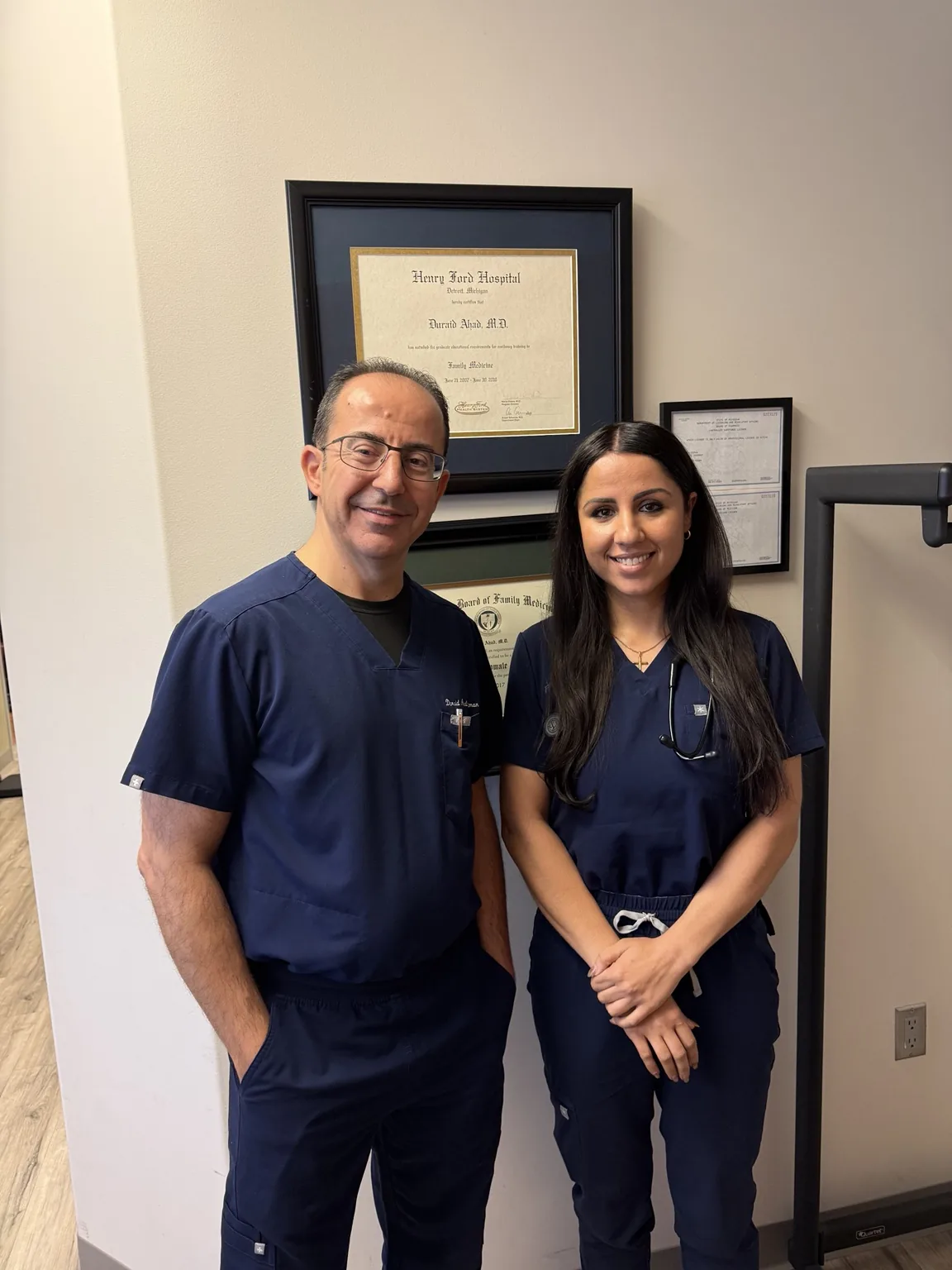
Type 2 diabetes care at Ahad MD PC in Troy, Michigan, including insulin management and continuous glucose monitoring with FreeStyle Libre 3 and Dexcom G7.
We care for patients with type 2 diabetes who use insulin.
At Ahad MD PC, we use continuous glucose monitoring (CGM), including FreeStyle Libre 3 and Dexcom G7, when appropriate, to help guide personalized diabetes care.
CGM helps reveal glucose patterns throughout the day and night, including after-meal rises and overnight lows that occasional finger-stick checks may miss.
During follow-up visits, we review your CGM reports alongside your A1C, medicines, daily routine, and treatment goals. This helps us personalize your care, including insulin management for people with type 2 diabetes.
Diabetes develops when the body makes too little insulin or does not use it effectively, allowing glucose (blood sugar) to build up. Over time, it can harm the eyes, kidneys, nerves, heart, and feet. Treatment and regular follow-up reduce these risks.
Possible symptoms include thirst, frequent urination, fatigue, blurred vision, unexplained weight loss, slow-healing sores, or tingling feet. Type 2 diabetes may have no symptoms for years.
The American Diabetes Association recommends screening from age 35, or earlier for adults with overweight or obesity and additional risk factors. Testing is usually repeated at least every 3 years if normal, and sooner when risk is higher. Symptoms warrant assessment at any age.
The immune system damages insulin-producing cells. It can develop at any age. Once clinical type 1 diabetes develops, daily insulin is essential.
The body resists insulin and may eventually make too little. Food choices, activity, medicines, and sometimes insulin help manage it. Treatment is tailored to the person.
Diabetes diagnosed during pregnancy needs coordinated obstetric care. After gestational diabetes, a glucose tolerance test is recommended 4–12 weeks after delivery, with lifelong screening every 1–3 years.
Prediabetes is not diabetes: glucose is above normal but below the diabetes range. Healthy habits and weight management can delay or prevent type 2 diabetes. Other forms of diabetes can result from genetic conditions, pancreatic disease, or certain medicines.
These laboratory thresholds apply outside pregnancy. Pregnancy uses different testing criteria. Home meters and CGM sensors do not establish a diabetes diagnosis.
On a phone, swipe across the table to see all results.
| Test | Normal range | Prediabetes | Diabetes range |
|---|---|---|---|
| A1C (about 3-month average) | Below 5.7% | 5.7%–6.4% | 6.5% or higher |
| Fasting plasma glucose (at least 8 hours without calories) | Below 100 mg/dL | 100–125 mg/dL | 126 mg/dL or higher |
| 2-hour plasma glucose after a 75-g oral glucose drink | Below 140 mg/dL | 140–199 mg/dL | 200 mg/dL or higher |
A random laboratory plasma glucose of 200 mg/dL or higher can diagnose diabetes when accompanied by classic symptoms, such as thirst, frequent urination, and unexplained weight loss, or a hyperglycemic crisis. Without clear symptoms or a crisis, two abnormal results are needed: repeat testing or two different abnormal tests.
Anemia, blood loss or transfusion, some hemoglobin variants, pregnancy, and other conditions can affect A1C accuracy. Your clinician will choose the appropriate test.
Healthy eating, activity, sleep, and avoiding tobacco support every care plan. The options below mainly treat type 2 diabetes and do not replace insulin in type 1. Choice depends on glucose levels, heart and kidney health, weight, side effects, cost, and your preferences.
Reduces glucose released by the liver and helps the body use insulin. It is a common starting medicine, but is not required before every other treatment. Stomach upset and low vitamin B12 can occur; kidney function determines whether it is suitable.
Glipizide and glimepiride stimulate insulin release. They can cause low blood sugar and weight gain, so meal patterns, kidney function, and dosing need review.
Sitagliptin and linagliptin prolong the action of natural gut hormones, increasing insulin and reducing glucagon when glucose is high. Low blood sugar is uncommon when used alone.
Semaglutide, dulaglutide, and liraglutide act on GLP-1; tirzepatide acts on both GIP and GLP-1. They help insulin release when needed, slow stomach emptying, and reduce appetite. Some have proven heart or kidney benefits in selected patients. Nausea is common; benefits and precautions differ by medicine.
Empagliflozin, dapagliflozin, and canagliflozin increase glucose loss in urine. Certain medicines in this group protect the heart and kidneys in eligible patients, even when A1C is at goal. Risks include genital yeast infections, dehydration, and rare ketoacidosis, sometimes without very high glucose.
Improves the response to insulin. It can cause weight gain, fluid retention, and fractures. It can worsen heart failure and is generally avoided in people with heart failure.
Slows carbohydrate digestion to limit after-meal glucose rises. Gas and bloating are common. If low glucose occurs while taking acarbose with insulin or another medicine, use glucose tablets or gel rather than table sugar.
This is an overview, not a complete list of medicines or side effects. Follow your prescribed plan, including sick-day instructions. Ask in advance which medicines to pause before surgery or when you cannot eat or drink normally. Do not stop essential insulin on your own.
Insulin replaces or supplements what the pancreas makes. It is essential in clinical type 1 diabetes and may also be needed in type 2 diabetes. Needing insulin is not a personal failure.
We review insulin technique, glucose patterns, and low-glucose episodes during follow-up. Ask about rescue glucagon and a sick-day plan. Some people with type 2 diabetes can later reduce or stop insulin under supervision; people with type 1 need ongoing insulin. Endocrinology referral may be appropriate for complex care.
Our practice uses continuous glucose monitoring (CGM), including FreeStyle Libre 3 and Dexcom G7, when appropriate. A small wearable sensor estimates glucose in the fluid beneath the skin and sends readings to a compatible phone or reader/receiver.
CGM provides a view of glucose patterns throughout the day and night. It can help reveal after-meal rises, overnight changes, and episodes of low glucose that occasional finger-stick checks may miss.
We can review your glucose reports during follow-up to guide treatment decisions. Device choice depends on clinical needs, compatibility, availability, and insurance coverage. Sharing CGM data does not mean that the office monitors it continuously or provides emergency alerts.
Keep a blood glucose meter available. If sensor readings do not match how you feel, or the device instructs you to check, use a finger-stick measurement and follow your care plan and the manufacturer’s instructions. CGM measures glucose; it does not deliver insulin by itself.
Follow your agreed insulin plan rather than making unplanned dose changes in response to individual readings. Review alert settings and what to do for low or high glucose with your care team.
For an adult who is awake and can swallow safely, treat glucose below 70 mg/dL with 15 grams of fast-acting carbohydrate, such as glucose tablets (check the label) or 4 ounces of juice. Recheck in 15 minutes and repeat if still below 70. Once recovered, have a snack or meal as your plan advises. Report repeated lows to your care team.
Call 911 for unconsciousness, a seizure, severe confusion, or inability to swallow safely. Give prescribed rescue glucagon if available and follow emergency instructions. Do not give food or drink to someone who cannot swallow safely.
Vomiting, abdominal pain, deep or difficult breathing, or confusion may signal ketoacidosis or another emergency. Get emergency care immediately; do not wait for an online response. With an SGLT2 inhibitor, ketoacidosis can occur even without very high glucose. If these symptoms occur while taking one, stop that medicine and seek emergency care.
An A1C below 7% is a common goal for many nonpregnant adults, but targets may be higher or lower depending on health, age, pregnancy, and risk of low glucose.
Bring your medication and insulin doses, CGM reader or phone, glucose records, and recent lab results. Note any low-glucose episodes and questions about meals, activity, or device use. Ask our team how to make your CGM reports available for review.
Patient information and links reviewed October 10, 2026. General education; diagnosis and treatment are individualized.
Dr. Ahad-Daman accepts most major insurance providers. Please contact your insurance provider directly for any coverage-related questions.